How I Use AI in Mortgage Broking—Without Compromising Client Privacy
Artificial intelligence is everywhere these days—from the apps on our phones to the tools reshaping entire industries. As a mortgage broker, I’ve seen firsthand how AI can streamline work, spark creativity, and help deliver a better client experience. But with great technology comes great responsibility—especially when it comes to protecting the sensitive information clients entrust to me.
I’m passionate about using AI to improve my business and client service, but I’m even more passionate about safeguarding privacy. In this article, I’ll share how I weave AI into my daily workflow, the strict boundaries I set to protect client data, and why I believe it’s possible to embrace innovation without ever compromising trust.
My Approach to AI: Productivity Without Sacrifice
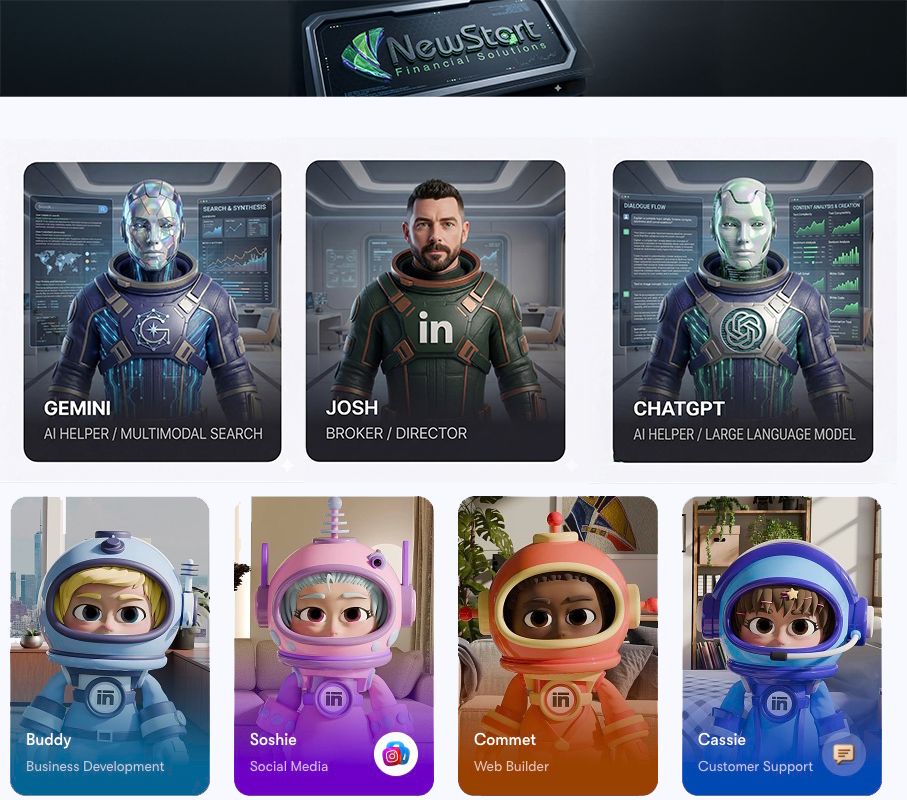
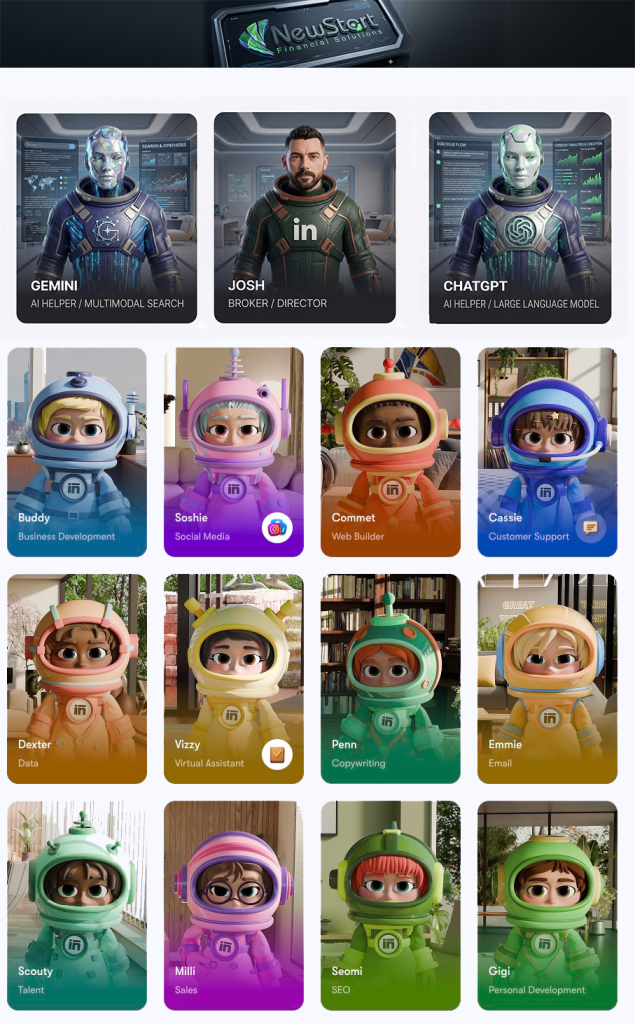
AI has become my digital sidekick—helping me research, brainstorm, and handle complex calculations. Tools like Gemini, ChatGPT, and Sintra are part of my toolkit, each serving a distinct purpose. Gemini helps me create on-brand visuals for emails and social media, ChatGPT is my go-to for research and number crunching, and Sintra is my brainstorming partner for marketing and content ideas.
But here’s my non-negotiable: I never, under any circumstances, enter client names or identifiable information into any AI system. Even when using paid, privacy-focused AI services (which do not use my data for training), I keep a clear line between what’s safe for AI and what must remain confidential. My guiding question is simple: “Would I want my own information handled this way?” If the answer is no, I don’t do it.
This isn’t just about ticking a compliance box—it’s about living my values as a trusted advisor. Clients come to me because they know their information is safe. That trust is the foundation of my business, and no amount of technological convenience is worth risking it.
How AI Fits Into My Daily Workflow

AI isn’t just a buzzword in my business—it’s a practical, everyday companion that helps me work smarter. Here’s how I put it to use, always with privacy in mind:
Research and Strategy
When I need to dive into complex topics, explore new loan products, or stay on top of industry trends, AI is my research assistant. I use ChatGPT to help break down information, run calculations for long-term strategies, and even consolidate details to fit specific word counts for client communications or educational content. But I never provide personal details—every request is generic, keeping client info well out of reach.
Brainstorming and Content Ideas
Working solo can sometimes feel isolating, but AI gives me a sounding board. Sintra is my go-to for brainstorming blog topics, email campaigns, and social media posts. It challenges my thinking, helps me see things from a fresh angle, and ensures I’m never short of ideas. Still, the final content is always written by me—AI sparks inspiration, but my voice and expertise shape every word.
Document Handling and Efficiency

One of the biggest time savers has been using Quicklii, a secure system for brokers. Its batch document relabelling feature is a game changer: what used to take an hour now takes two minutes. The best part? It’s all processed on-device, so no data ever leaves my system—perfectly aligned with my client protection standards.
Visual Content Creation
Gemini is my creative partner for generating visuals. Whether it’s a social media tile or an email header, I use AI to create on-brand images—often featuring my mascot, Newt the gecko. I’ve built a knowledge base for Newt, so every image feels unique and consistent with my brand, much like how others use avatars in videos.
Note Taking—With Client Consent
For meetings, I sometimes use AI note takers (previously Otter.ai, now trialling others). If a client prefers not to have a note taker, I respect that completely. When used, these tools allow me to be fully present, focusing on the client’s needs while ensuring nothing important is missed.
Security First: My Boundaries and Tech Stack
With all the promise AI brings, I believe security must come first—always. My approach is proactive and layered, combining technology, process, and a healthy dose of common sense.

My Security Stack
- Device Encryption: Every computer I use—Mac Studio, Mac Mini, and MacBook Pro—is encrypted with FileVault. This ensures that even if a device is lost or stolen, the data remains inaccessible.
- System Audits: I run regular security audits using Moonlock, which checks all my systems for vulnerabilities. CleanMyMac keeps my machines running smoothly, and I use Microsoft Defender as a backup VPN and security layer—even on my iPhone and iPad.
- VPN & Network Security: All data transmissions are encrypted using a VPN, adding another layer of protection for sensitive communications.
- 2FA & Secure Portals: For client onboarding and document sharing, I insist on two-factor authentication (2FA) via a secure client portal. Sensitive documents are never sent via email or exposed to AI systems.
Boundaries I Never Cross
- No Identifiable Info in AI: I never enter client names, addresses, or any personally identifiable information into any AI tool—no exceptions. Even paid, privacy-focused AI services aren’t given access to sensitive data.
- No Free or Open AI Services: I only use paid AI services that make clear privacy commitments. Free tools are off-limits, as they often use data for training or lack adequate security controls.
- Common Sense Rule: My golden rule is simple: if I wouldn’t want my own data handled a certain way, I won’t do it to my clients. Productivity is important, but never at the expense of trust.
- Manual Over Automation When Needed: If a task is safer done manually—even if it takes longer—I choose the secure route. I look for productivity gains in other places instead of risking client privacy.
Staying Ahead of the Curve
Even before industry guidelines or regulations come into play, I make sure my systems and habits set a higher standard. I’m constantly reviewing and upgrading my security tools, keeping up with best practices, and running regular audits. That way, if new rules come in, I’m already ahead of the game.
Building Trust: How I Talk to Clients About AI and Privacy

For many people, AI can feel mysterious or even risky—especially when it comes to their most personal financial details. That’s why I make transparency a cornerstone of my client relationships. I’m always open about how I use technology, what it can (and can’t) do, and—most importantly—what I’ll never do with their information.
Educating Clients on Everyday AI
Most clients don’t realise that AI and machine learning are already part of their daily lives. I often explain that tools like Apple Photos or Google Photos use AI to help them search for images, or that their inboxes use smart algorithms to sort emails. By connecting the dots, I help demystify AI and show that it’s not some distant, scary technology—it’s already making life easier in ways they trust.
Respecting Client Preferences
When it comes to AI-powered note takers, I always ask clients for their consent before using one. If anyone is uncomfortable, I switch it off—no questions asked. The goal is to enhance the client experience, not make anyone feel uneasy. When used, note takers allow me to give my full attention to the conversation, ensuring nothing important is missed while keeping privacy top of mind.
Reassuring Through Action
I don’t just talk about privacy—I demonstrate it. Clients see that I never request or store sensitive documents via email, that I use secure portals, and that I’m meticulous about verification and encryption. My preference for the Apple ecosystem is another talking point; I explain that Apple’s privacy stance aligns with my own high standards.
Handling Questions and Concerns
Occasionally, clients ask about how I use AI or what happens to their data. I’m upfront: AI is a tool for research, ideas, and efficiency, but never for handling their personal information. If a client ever has doubts, I walk them through my security stack and boundaries so they can see exactly how their data is protected.
Practical Tips for Using AI Responsibly in Finance

If you’re a fellow broker or professional thinking about bringing AI into your workflow, here are some lessons I’ve learned along the way:
- Think Before You Automate: If a task is safer to do manually—even if it takes longer—choose the safe route. Productivity is great, but never at the expense of security or client trust.
- Set Clear Boundaries: Decide up front what information can and can’t be shared with AI tools. For me, that means never entering anything identifiable or sensitive, no matter how secure the platform claims to be.
- Invest in Security: Don’t skimp on security tools. Encrypt your devices, use strong passwords, run regular audits, and choose tech partners with proven privacy commitments.
- Educate Yourself and Your Clients: Stay up to date with best practices, industry guidance, and new regulations. Be transparent with your clients—they’ll appreciate your honesty and diligence.
- Find Productivity Gains Elsewhere: Look for ways AI can help with research, content ideas, or admin tasks that don’t involve sensitive data. There’s plenty of value to be found without crossing the privacy line.
The Future: AI as a Secure Assistant, Not a Risk

I see the future of AI in finance as one where technology acts as a true personal assistant—managing data entry, prioritising to-dos, and freeing up time for genuine human connection. But that future must be built on a foundation of security and trust.
I’m exploring the idea of building a dedicated, sandboxed AI “employee” in a secure environment, but I won’t move forward until I’m confident the protections are watertight. For now, I’ll keep testing, learning, and raising the bar for privacy and client care.
AI is here to stay—and with the right boundaries, it can make our industry smarter, faster, and more human than ever before.
After all is said and done….
Embracing AI doesn’t mean sacrificing trust or client safety. With the right mindset, clear boundaries, and a commitment to transparency, it’s possible to harness the power of technology while keeping privacy at the heart of everything you do. My clients trust me because I put their interests first—and that’s something no algorithm can replace.
 The Property Finance Broker
Leave a comment